
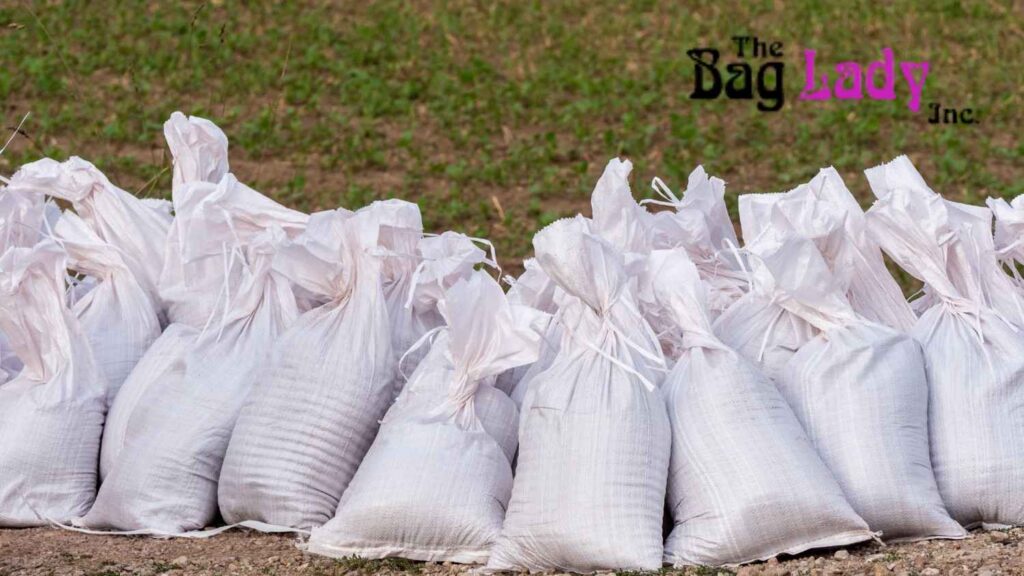
Flood response depends on one critical factor: the ability to deploy large quantities of sandbags in a short window of time. However, many municipalities and contractors face growing labor shortages that slow down manual filling operations during emergencies. A sandbag filling machine transforms this process by replacing labor-intensive shoveling crews with controlled, high-output production systems that operate efficiently with fewer personnel.
Ways Sandbag Filling Machines Address Labor Shortages
Labor shortages during flood events are not simply about fewer workers, they affect deployment speed, operational coordination, and overall community protection. Sandbag filling machines directly counteract these constraints by restructuring how production is handled at the source.
Reducing Crew Size Without Reducing Output
Traditional sandbagging often requires 6 to 10 workers to maintain steady production. Automated sandbag filling machines can produce the same or greater output with a fraction of that crew size. Fewer workers are needed to hold, fill, and tie bags, allowing teams to reallocate labor to transport, staging, and deployment instead of manual filling.
Increasing Production Speed During Critical Windows
Flood response operates under tight timelines. Automated machines can fill hundreds to thousands of bags per hour, far exceeding manual shovel-based methods. Higher production rates ensure agencies can build barriers quickly before water levels rise, even when available manpower is limited.
Minimizing Worker Fatigue and Burnout
Manual sandbagging is physically exhausting, especially during extended emergency operations. Fatigue slows productivity and increases injury risk. Sandbag filling machines reduce repetitive lifting and shoveling, enabling smaller crews to operate longer shifts safely and maintain consistent output.
Improving Operational Efficiency and Deployment
Automated systems create predictable, uniform bag weights and consistent fill levels. This improves stacking stability and reduces wasted materials. With fewer labor variables affecting production, response teams can plan logistics, transportation, and barrier construction more efficiently.
Supporting Municipalities Facing Ongoing Labor Shortages
Many cities and counties are already operating with reduced staffing levels. Volunteer turnout can also fluctuate during major storm events. Sandbag filling machines provide a dependable production solution that does not rely solely on large volunteer crews, strengthening emergency preparedness strategies long-term.
Also Read: How Bulk Bag Filling Machines Prevent Material Delays On Emergency And Construction Sites
The Impact of Faster Sandbag Production on Flood Protection
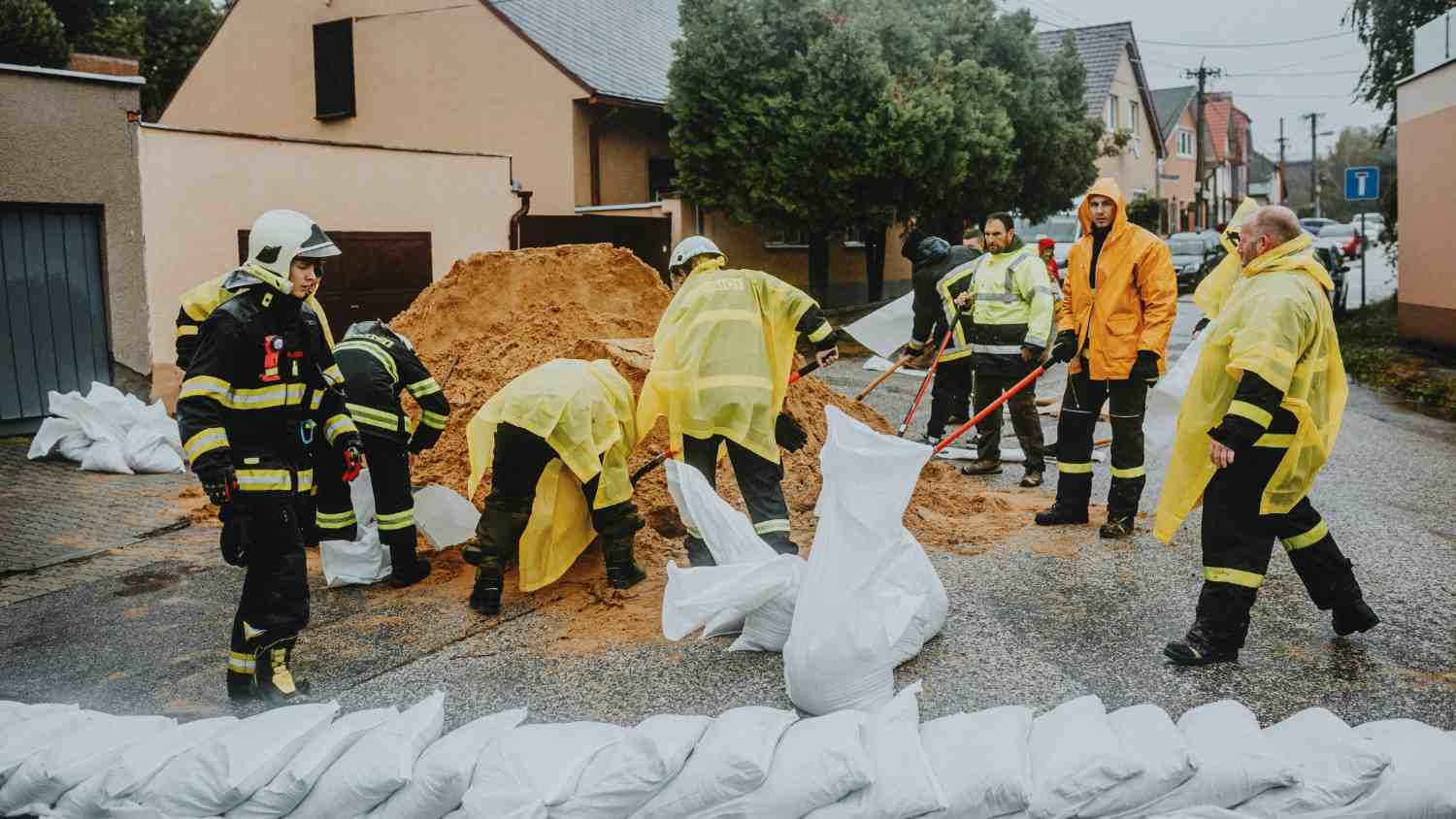
Speed is a decisive variable in flood defense. The faster sandbags are filled and staged, the sooner protective barriers can be deployed to vulnerable areas.
- Earlier Barrier Construction: Rapid production enables crews to begin reinforcement before water levels reach critical thresholds, reducing exposure time for at-risk properties.
- Improved Coverage of Multiple Sites: Higher throughput allows response teams to divide sandbag inventory across multiple flood-prone zones rather than prioritizing a single location.
- Reduced Reactive Deployment: When production keeps pace with forecasts, agencies shift from reactive scrambling to structured execution based on pre-planned staging strategies.
- Stronger Structural Integrity: Consistent bag weight and fill levels improve stacking alignment, resulting in more stable and reliable temporary flood barriers.
Labor Shortages as a Risk Factor in Flood Emergencies
Workforce constraints are not merely logistical inconveniences. They directly increase vulnerability during severe weather events. Insufficient staffing can compromise the effectiveness of protective measures and delay mitigation efforts.
- Delayed Protective Measures: Limited crews slow sandbag preparation, increasing the risk that floodwaters reach critical infrastructure before defenses are completed.
- Overextended Personnel: Small teams forced to handle manual filling, transport, and placement simultaneously face higher fatigue levels and reduced efficiency.
- Coordination Gaps: When staffing is inadequate, supervisors must divert attention to resource allocation rather than focusing on strategic oversight.
- Inconsistent Production Output: Manual processes fluctuate depending on worker stamina, leading to unpredictable supply levels during high-pressure conditions.
Read More: How Sandbag Filling Machines Reduce Injuries And Production Delays During Emergencies
Why Automation Is Becoming Essential in Modern Flood Planning
As workforce shortages persist across public works and emergency management sectors, automation is shifting from optional equipment to core infrastructure within flood preparedness strategies.
- Workforce Stabilization: Sandbag-filling machines provide predictable production capacity that does not fluctuate with turnout or shift changes, giving agencies greater operational certainty.
- Operational Scalability: Automated systems can be integrated into pre-season planning, drills, and rapid-deployment models, allowing communities to expand protective measures without increasing payroll.
- Resource Optimization: By concentrating labor where it delivers the highest impact, response teams operate more strategically and reduce inefficiencies common in manual setups.
- Long-Term Cost Control: Lower dependency on overtime, temporary staffing, and large volunteer mobilizations contributes to more sustainable emergency management budgeting over repeated storm seasons.
Communities cannot afford for labor shortages to dictate the speed or strength of their flood response. A sandbag filling machine provides the production reliability and operational flexibility needed to protect infrastructure when manpower is limited.
Why Agencies Choose The Bag Lady Bulk Sandbag Filling Machines
When communities need to produce thousands of sandbags under tight timelines, equipment performance directly impacts response success. The Bag Lady’s Megga Bagger and automated sandbagging systems are purpose-built for high-volume flood control, combining speed, durability, and reduced labor demands into a single scalable solution.
- Exceptional Production Speed: The Automatic Sandbagger MB-T2 can produce an average of 2,000 bags per hour, with maximum output reaching up to 3,400 bags per hour. Delivering the high-volume capacity agencies need during peak flood response operations.
- Reduced Labor Requirements: Automated dispensing minimizes the need for large volunteer crews manually shoveling sand, freeing personnel for transport, stacking, and perimeter defense.
- Uniform, Accurate Filling: Electronic variable speed and bag size controls help maintain consistent fill levels, reducing material waste and rework during deployment.
- Weather-Ready Operation: UL-approved electronics and weatherproof control panels allow the equipment to function reliably during rain and adverse storm conditions when flood response is most critical.
- Portable and Rapid DeploymentL Skid-mounted construction, integrated compressor and generator systems, and adjustable slide tables enable fast setup at staging areas or high-risk zones.
- Ergonomic, Operator-Friendly Design: Hands-free gate operation and pneumatically controlled systems reduce physical strain and improve operational efficiency over extended shifts.
By integrating bulk sandbag filling machines into flood preparedness planning, agencies gain production certainty, operational scalability, and a measurable reduction in labor strain during severe weather events. Contact The Bag Lady to explore sandbag filling solutions designed to strengthen your flood preparedness strategy before the next storm arrives.
