
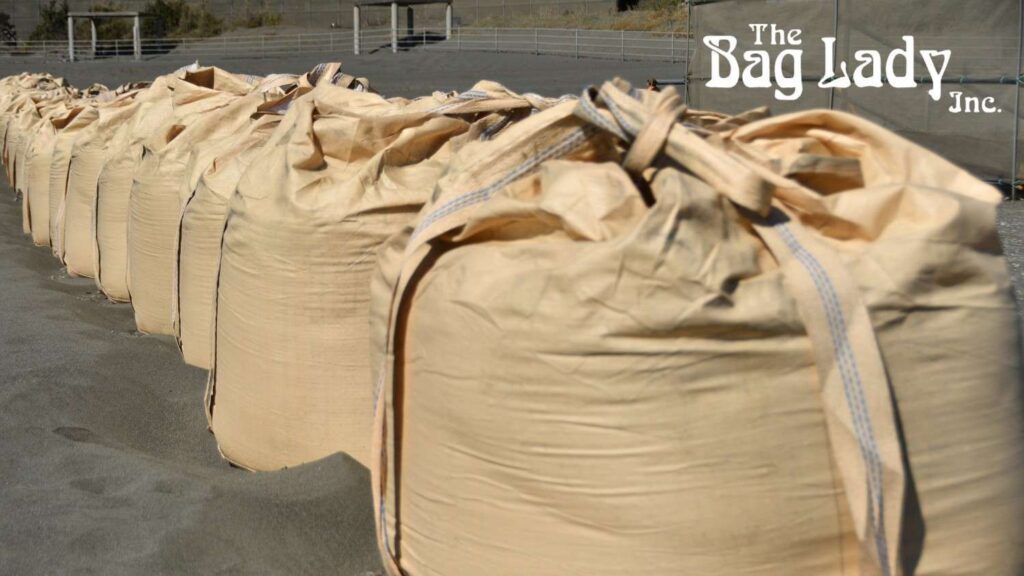
In urgent flood response, sandbag filling machines keep workers safe and production faster by replacing labor-intensive bag filling with machine-driven efficiency. Floods, hurricanes, and severe storms never wait for the right moment. When water levels rise, response teams must act fast to protect homes, roads, utilities, and lives. Sandbags remain a trusted flood-control solution, but the way they are filled can either support rapid response or create serious delays.
Taking the Strain Out of Sandbag Work
Emergency response work is demanding, and safety is critical. Handling sandbags manually puts stress on workers and increases the risk of injury. Fortunately, using machines can help ease physical pressure, letting operations continue smoothly. Here’s how sandbag production stays controlled, even in urgent situations.
Prevents Repetitive Tension Injuries
Filling sandbags by hand requires constant bending, lifting, and twisting, which can gradually strain muscles, joints, and connective tissues. Automated machines take over these repetitive motions and position the bags at a manageable height, reducing wear on the back, knees, and shoulders while allowing work to continue without frequent interruptions. Over long shifts or emergency events, this can make a noticeable difference in preventing chronic discomfort or injuries.
Limits Physical Overexertion
Manual sandbagging is demanding work, and pushing beyond safe limits can quickly lead to exhaustion, dehydration, or strain injuries. Sandbag machines carry the weight of the bulk of the work, letting operators focus on tasks like placement, stacking, and organizing without overtaxing their bodies during extended shifts.
Creates a Safer Work Area
When sandbag filling occurs across multiple spots, loose bags and spilled sand can make the area cluttered and hazardous. Machines centralize the filling process, keeping sandbags contained and minimizing scattered material, which reduces the chance of trips, slips, or collisions.
Reduces Direct Contact With Materials
Handling sand, debris, or floodwater-contaminated material exposes skin and clothing to irritants or contaminants. Sandbag machines perform the majority of the filling, limiting the need for hands-on contact and reducing the potential for skin irritation, cuts, or exposure to harmful elements. This is particularly valuable in flood situations where waterborne risks are present.
Supports Better Body Positioning
Modern sandbag machines are built so operators can stand upright while monitoring and guiding the bags. This posture reduces the tightness on the spine and shoulders, encouraging healthier habits during extended periods of work.
Read More: How Bulk Bag Filling Machines Prevent Material Delays On Emergency And Construction Sites
Keeping Work Moving Without Slowdowns
Speed and reliability matter when time is limited. Delays can weaken flood defenses and affect response teams. At The Bag Lady, we have sandbag filling machines built to prevent delays and keep operations moving. As a trusted resource in Washington, we help teams stay ahead by producing sandbags quickly and reliably when every minute counts.
Delivers High-Volume Output
Our Megga Bagger handles sandbag production at an impressive pace, averaging 2,000 bags per hour and reaching up to 3,500 bags per hour when needed. Its double-station design with hands- and feet-free gate operation, adjustable slide tables, and dual chutes allows operators to fill different bag sizes quickly without slowing down.
The machine’s electronic variable speed and bag size controls, combined with a 3.75 cubic yard hopper and pneumatically controlled gates, keep production flowing continuously. With the Megga Bagger on-site, sandbag production moves faster, helping response teams meet tight deadlines and maintain uninterrupted flood protection.
Supports Faster Emergency Action
Using a reliable sandbag filler allows sandbags to be produced and placed exactly where they are needed without waiting for manual preparation. This reduces downtime between production and deployment, so protective barriers can be established before rising waters force reactive measures. Immediate availability of sandbags helps teams maintain control of the situation and prevents bottlenecks that could slow overall emergency response.
Maintains Uniform Sandbag Quality
When sandbags are filled to uniform weight and volume, barriers remain strong and predictable, eliminating the need to stop and fix weak or uneven sections. This uniformity prevents interruptions caused by replacing or repositioning bags, allowing emergency measures to continue without breaks. Teams can focus on placement and reinforcement rather than troubleshooting poorly filled sandbags, keeping the response on track.
Allows On-Site Sandbag Production
Portable sandbag fillers can be set up directly at the location of the emergency, removing delays from transporting pre-filled bags over long distances. Having production at the site ensures that sandbags are immediately available for deployment, minimizing downtime and keeping protective measures continuously in place. This on-site capability prevents interruptions in response work and supports uninterrupted progress under pressure.
Also Read: Emergency Flood Response 101: How Municipalities Should Prepare With Automated Baggers
Why These Filling Machines Are a Strategic Emergency Asset
A bagging machine transforms emergency preparedness by simplifying a labor-intensive task and making operations more manageable under pressure. By reducing the unpredictability of manual sandbagging, it allows teams to focus on critical decisions rather than constant manual labor. Beyond production, these machines help emergency planners anticipate needs, allocate resources more effectively, and maintain momentum when every minute counts.
Take a closer look at how these machines improve both speed and organization in the field:
- Ensure Enough Production: Automated bagging machines produce large volumes of sandbags continuously, preventing interruptions that could allow floodwaters to advance. A strong, consistent supply helps teams place protective barriers exactly where and when they are needed most.
- Improve Coordination: When production flows predictably, supervisors can organize personnel, integrate volunteers, and allocate resources without confusion. Clear workflows prevent bottlenecks and allow emergency operations to run smoothly.
- Support Community and Organizational Preparedness: Investing in bagging machines strengthens readiness plans for municipalities, volunteer groups, and emergency responders. By transforming labor-heavy tasks into a manageable system, these machines ensure teams can respond effectively when conditions turn critical.
Related Article: Polypropylene Vs. Burlap Sandbags: Which One Is Right For Your Project?
Don’t let slow sandbag deployment put your community at risk. Equip your team with The Bag Lady’s sandbag filling machines to respond faster, coordinate effectively, and maintain readiness across multiple sites. Contact The Bag Lady now to learn more or schedule a demo and see how your team can be ready for any emergency.
