
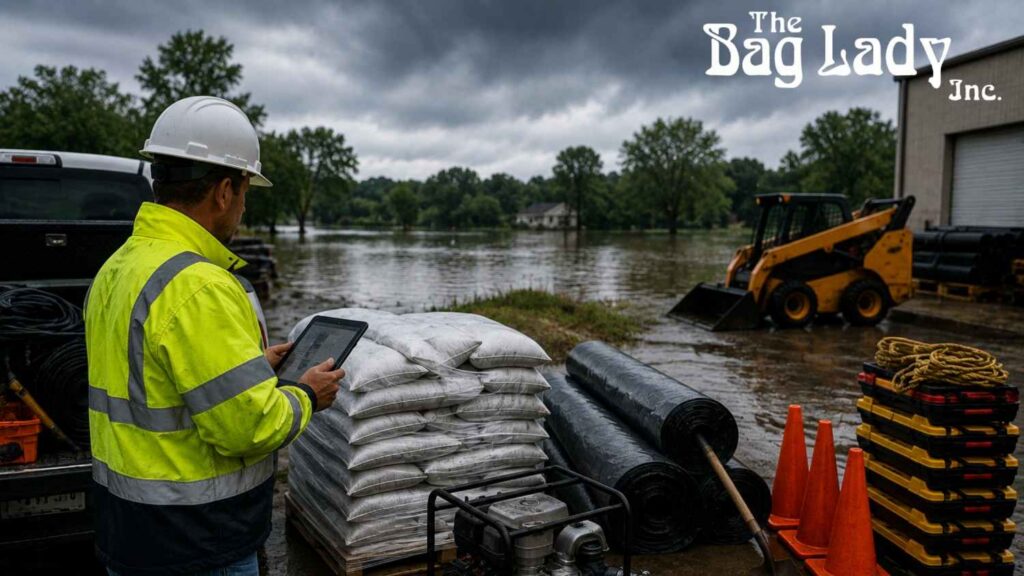
Contractors can prepare for flood season without overstaffing by planning ahead, improving workflows, and using equipment that helps crews work more efficiently. These steps protect active projects and make better use of the crew already on hand Flood season can place enormous pressure on contractors responsible for protecting construction sites, commercial properties, infrastructure projects, and public facilities.
Focus on Smarter Preparation Instead of Larger Crews
Adding more workers does not always result in faster flood preparation. Well-organized operations often achieve better results by reducing unnecessary manual work and improving how crews are deployed across the job site.
Account for TESC Requirements
Construction sites in Washington must follow Temporary Erosion and Sediment Control (TESC) requirements to help manage runoff and protect surrounding areas during active work. Contractors should include these requirements in their storm response planning and identify the materials, drainage controls, and protective measures needed before severe weather arrives.
Develop a Site-Specific Flood Plan
Every property presents different flood risks. Identifying vulnerable entrances, low-lying areas, drainage systems, and equipment storage locations before storm season helps crews develop an organized response plan. Plans should also account for site drainage and areas where temporary berms or other flood barriers may be needed to redirect or contain water.
Stage Materials Before Storms Arrive
Waiting until severe weather is approaching often creates unnecessary delays. Store sandbags, flood barriers, and other response materials in a dry, accessible location near areas most likely to need protection. Keeping supplies organized and accessible allows crews to begin protective measures as soon as conditions require action.
Improve Team Coordination
Assigning responsibilities before an emergency hits means crews are not working out roles under pressure. When every crew member understands their role, work can be completed more efficiently without requiring additional personnel.
If you’re evaluating how different flood-control methods perform during severe weather, our blog on “Why Sandbags Fail During Floods and How to Prevent It” explains common mistakes that reduce their effectiveness and practical ways to avoid them.
What Equipment Helps Contractors Prepare for Flood Season Faster
One of the most effective ways to prepare for flood season without overstaffing is by using equipment that increases production while reducing manual labor. Rather than relying entirely on hand-filled sandbags, contractors can improve efficiency by incorporating equipment designed for larger-scale flood preparation.
For smaller or targeted flood-preparation tasks, the flood fighter provides a hand-held sandbag filling aid that can make individual bag preparation easier. It gives crews another option when they need to prepare sandbags without setting up larger filling equipment.
For projects requiring higher production volumes, a bulk bag filler is designed for larger containment bags, handling loads from 500 to 5,000 pounds, which makes it practical for building temporary dams, levees, and heavy-duty flood barriers. Equipment like this allows crews to complete more work with the personnel already available.
Similarly, a sandbag filler can significantly reduce the time and physical effort required to prepare large numbers of bags before severe weather arrives. Improving production efficiency allows contractors to focus labor where it is needed most across the job site.
Why Should Contractors Train Crews Before Flood Season Begins
Even the best equipment performs more effectively when crews know how to use it before an emergency occurs. Scheduling training sessions before flood season gives workers an opportunity to become familiar with deployment procedures, communication protocols, and equipment operation without the pressure of an approaching storm.
Crews that have practiced deployment protocols before a storm arrives make fewer errors and complete protective measures in less time when conditions deteriorate.
Build a More Resilient Flood Response Plan
Successful flood preparation depends on more than having the right materials available. It requires planning, efficient workflows, trained personnel, and equipment that supports rapid deployment without placing unnecessary demands on available staff.
For contractors responsible for preparing large quantities of flood barriers, you may also find Why Manual Sandbag Operations Fail at Scale Without Filling Machines helpful. It explores why manual filling methods become less efficient on larger projects and how equipment can improve productivity during emergency response.
Why Flood Season Creates Staffing Challenges
Flood preparation often requires teams to work against the clock. Filling barriers, moving materials, protecting entrances, and responding to changing site conditions can quickly overwhelm available workers, particularly when several projects require attention at the same time.
Common challenges contractors face include:
- Limited labor availability during storm season
- Tight preparation timelines before severe weather arrives
- Multiple job sites requiring simultaneous attention
- Increased physical demands on existing crews
- Delays caused by manual flood preparation methods
Preparing for these challenges before flood season begins allows contractors to respond more efficiently when severe weather is forecast.
Prepare Before Flood Season Begins
Flood preparation becomes far more manageable when planning starts before severe weather is in the forecast. Reviewing response plans, organizing materials, evaluating equipment, and preparing crews ahead of time all position contractors to protect projects more efficiently without expanding headcount.
A proactive flood response starts with the right preparation. Reach out to The Bag Lady today to explore flood-control products and equipment designed to help contractors, municipalities, and emergency response teams prepare for the season ahead.
Frequently Asked Questions
When should contractors start preparing for flood season?
Flood preparation should begin well before severe weather is forecast. Reviewing response plans, organizing equipment, and staging materials in advance allows contractors to respond more efficiently when flood risks increase.
How can contractors prepare for flooding without hiring more workers?
Improving planning, organizing materials ahead of time, and using equipment that increases productivity can help contractors prepare more efficiently. A well-coordinated workflow often reduces the need to add temporary labor during flood season.
What equipment helps speed up flood preparation?
Depending on the project, equipment designed for filling flood-control materials can improve production and reduce manual handling. Choosing the right equipment depends on the size of the project and the expected flood response requirements.
Why is advance planning important for flood response?
Planning before flood season allows contractors to identify vulnerable areas, assign responsibilities, organize materials, and prepare equipment before severe weather creates time-sensitive conditions.
Are manual flood preparation methods practical for large projects?
Manual methods may work for smaller jobs, but larger commercial, municipal, or infrastructure projects often require faster deployment to protect property effectively. Improving efficiency becomes increasingly important as project size and flood risk increase.
How can contractors improve their flood response over time?
Reviewing previous flood events, updating response plans, training crews regularly, and evaluating equipment needs after each season can help contractors strengthen their flood preparedness for future projects.
