
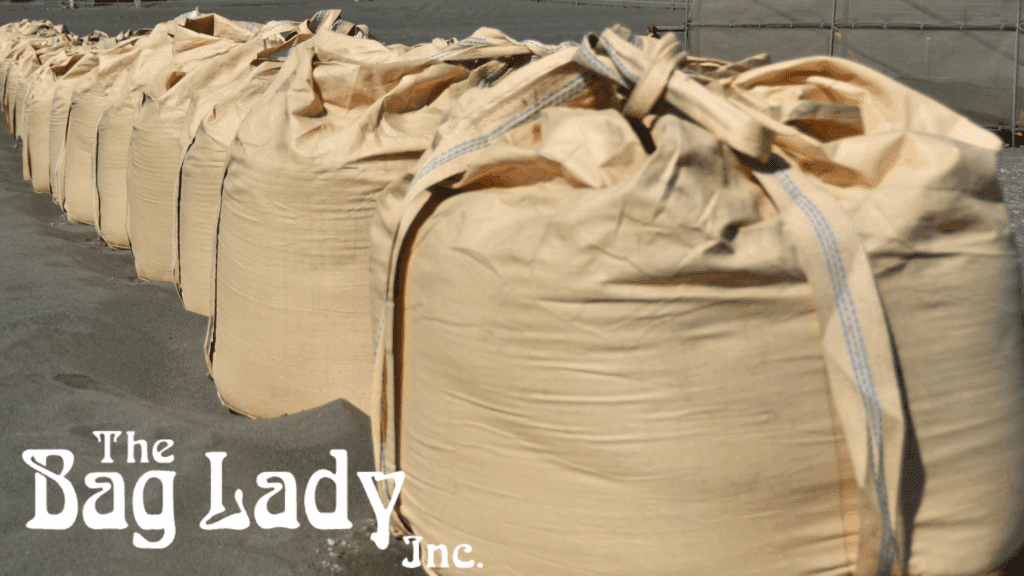
For contractors, time, safety, and efficiency are everything. When projects demand thousands of sandbags, relying on manual filling can be exhausting, costly, and inconsistent. For these reasons, more contractors are investing in automated sandbag fillers. These machines simplify the process, help workers use resources more efficiently, and deliver dependable results every time.
We counted down the five main advantages that make automated sandbag fillers a must for contractors.
1. Speed and High Output
Deadlines are critical in construction and emergency projects. Manual sandbagging can take hours, even days, with crews working nonstop. Automated sandbag fillers change that equation by producing a much higher volume of filled bags in significantly less time. Contractors who once struggled to keep pace can now meet tight schedules with ease, whether for emergency flood control or large-scale soil stabilization.
2. Cost Savings
Labor is one of the biggest expenses in any project. Automated systems reduce the need for large teams dedicated solely to bag filling. Although the initial investment in machinery may seem high, savings accumulate quickly. Fewer workers are needed for repetitive tasks, freeing up skilled labor for other parts of the project. Over time, these systems pay for themselves and continue to lower overall project costs.
3. Consistent Quality
One of the challenges of manual bagging is inconsistency. Bags filled by hand often vary in weight and density, which can weaken barriers or create unstable structures. Unevenly packed bags not only slow down stacking but also reduce the overall strength of the sandbag wall. Over time, these inconsistencies can cause weak spots that fail under pressure when they’re needed most.
Examples of problems caused by inconsistent sandbags include:
- Gaps in flood barriers that allow water to seep through
- Collapsing walls from unevenly stacked bags
- Shifting layers that weaken protective structures
- Poor stability in erosion control projects
- Uneven foundations in temporary construction work
- Higher replacement needs due to weak or underfilled bags
Automated fillers solve this problem by producing bags that meet the same standards every time. Each sandbag is evenly filled, creating stronger defenses and minimizing the risk of failure under pressure.
4. Reduced Waste
Manual filling often leads to sand spilling over the edges, bags being packed too heavily, or material being lost during transport. Each mistake adds up, leaving piles of wasted sand and higher costs to replace it. Automated sandbag fillers cut down on these problems by keeping every load measured and controlled.
Ways automation reduces waste:
- Precise flow control – Machines release the exact amount of sand required, avoiding overflow.
- Cleaner operation – Less spillage means fewer piles of sand left unused on the ground.
- Material savings – With less waste, projects require fewer truckloads of sand.
- Lower cleanup costs – A tidier site reduces the time and labor spent on sweeping and hauling leftover sand.
5. Worker Safety
Manual sandbagging is physically demanding. Shoveling, lifting, and carrying heavy bags repeatedly can lead to back strain, muscle injuries, and long-term wear on the body. Automated systems reduce or eliminate these risks by taking over the most strenuous parts of the process. Crews stay safer and healthier—while also working more productively
The details matter, here’s a closer look at Why Our High-Capacity Bulk Bag Fillers Reduce Spillage And Worker Fatigue.
Additionally, contractors often discover more advantages beyond speed, cost savings, and safety when they start using automated sandbagging equipment. One of the biggest improvements is better site organization. Since the process is centralized, work areas stay more structured. Instead of having piles of sand and scattered bags that can turn into safety hazards, everything moves through one efficient station, reducing clutter and improving productivity.
Another key benefit is versatility. These machines are not limited to sand; many are built to handle different types of fill materials. For example, a single system can switch from gravel, soil, crushed rock, mulch, or limestone depending on the project. A single system can serve multiple purposes, giving contractors long-term value and adaptability across different jobs.
When is it Worth It?
Not every project requires an automated filler, but for jobs where efficiency and volume matter, the investment pays off quickly. The value of a reliable bagging machine becomes clear in specific applications where speed and output are critical. Here are a few key scenarios where contractors benefit most:
- Emergency Management: Quick deployment of sandbags to protect communities and infrastructure during floods.
- Construction: Controlling erosion, stabilizing soil, or protecting excavation sites and fresh concrete from water damage.
- Municipal Services: Local governments use automated fillers for urban flood control and to safeguard public facilities.
- Agriculture: Farmers rely on sandbags to protect crops from flooding and reduce soil erosion in vulnerable fields.
Also Read: Practical Uses Of Sand Bags In Agriculture
What to Look For in Sandbagging Equipment
Choosing the right sand bagging machine can save you time, money, and a lot of stress in the long run. The right model not only makes the job faster but also ensures your sandbags are filled properly, last longer, and meet the demands of your projects. Before you invest, it helps to know what features really matter. Let’s break down the key qualities to keep in mind.
- Sandbag & Material Considerations: Not all sandbags are the same, and neither are the materials you’ll be working with. The machine you choose should be compatible with the type of bag you plan to use, whether poly, burlap, or woven bags. On top of that, think about the material’s flowability. A machine designed for the specific properties of your fill material ensures smooth, consistent bagging without clogging or wasted effort.
- Durability & Longevity: Sand bagging equipment takes a beating, so durability should be high on your list. A sturdy design means less downtime and more consistent performance, which is critical for large-scale projects. If your work requires long hours outdoors, consider weatherproof models or trailer-mounted machines that can handle tough conditions without slowing you down. The Bag Lady’s automated sandbag fillers allow operators to fill large volumes of sandbags quickly and evenly, offering a reliable solution for demanding outdoor work.
- Portability & Ease of Use: If you’ll be working across multiple sites, mobility is a must. Portable machines that are simple to set up and dismantle can save hours of labor. Also, check how easily the machine connects with existing equipment such as loaders or excavators. A well-integrated system doesn’t just save time, it significantly boosts productivity.
- Features & Supplier Factors: Setting a clear budget helps narrow down your options, but don’t sacrifice quality for price. Look for machines with the features you need for efficiency and reliability. Just as important is who you buy from, an experienced supplier with a strong reputation can provide not only high-quality equipment but also dependable customer service, which is essential for long-term success.
Final Thoughts
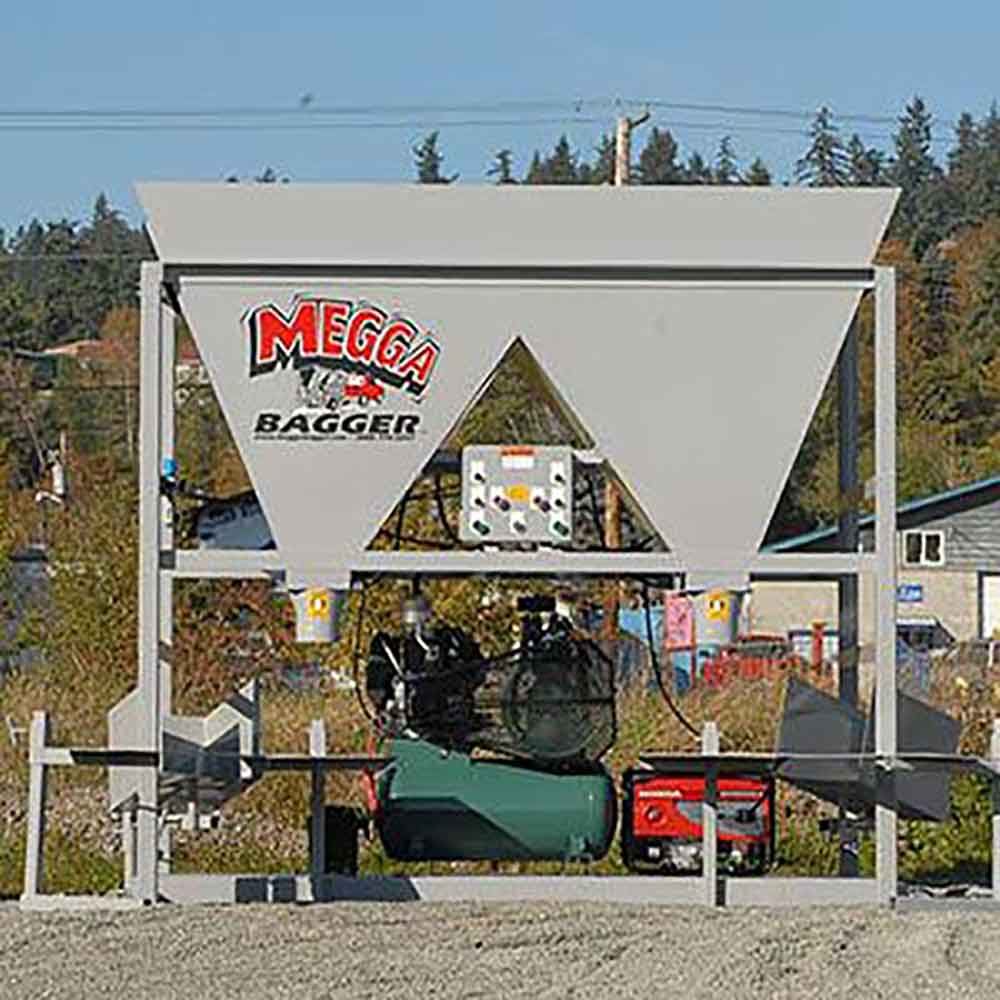
At The Bag Lady, we’ve seen how both manual and automated sandbag machines play an important role in different projects. While manual fillers remain a reliable choice for smaller jobs or when mobility is needed, automated machines are designed to meet high-demand applications.
For contractors handling larger-scale projects, our Megga Bagger Machine can fill sandbags in as little as 1 to 10 seconds per bag, with the flexibility of 1 or 2 hoppers to fill multiple bags at once. It works with wet or dry sand, gravel, and even small rocks, so you’re not limited to one material.
For bulk jobs, our Megga Bagger Bulk Bag Filler handles bags from 500 lbs. up to 5,000 lbs. at a rate of 40 bags per hour, making it a powerful solution for river diversions, large construction sites, or city-wide flood control.
Find more details inside The Megga Bagger In Action: A Game-Changer For Large-Scale Sandbagging.
