
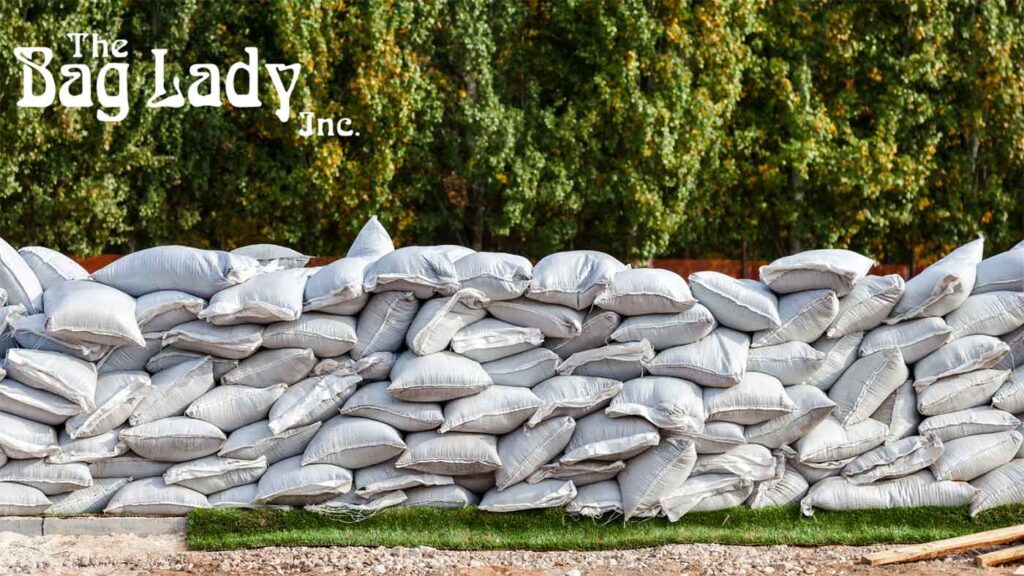
Spring flooding comes regularly. At The Bag Lady, we’ve seen how it sneaks up on people year after year. Melting snow, heavy rain, or both can lead to fast-moving water that fills basements, blocks roads, and wrecks homes that took years to build.
The damage doesn’t start when the water arrives; it starts when you’re unprepared. In this blog, we’ll explain why flooding keeps happening, what risks you need to watch out for, and how you can build a strong emergency plan that protects your home and peace of mind.
Why Spring Flooding Keeps Happening
Spring floods happen because melting snow, seasonal storms, and saturated soil all converge at once. Rising rivers and blocked drainage can’t keep pace, leading to overflow.
Urban expansion limits natural runoff zones, too. When winter’s thaw meets man-made barriers, flooding becomes predictable, unless action is taken.
Risks to Homes, Roads, and Local Infrastructure
Floodwaters damage more than basements. Homes suffer foundation erosion and mold; roads collapse or become impassable; sewer systems back up; and bridges or culverts break. Even a few inches of water can shut down business or cut off communities. Preparing ahead means avoiding these costly disruptions.
What Are the 5 Stages of Emergency Preparedness?
Flood protection doesn’t happen overnight. It takes planning, effort, and the right timing. These steps help turn chaos into control, no matter how big the storm gets. According to emergency management experts and national preparedness guidelines, there are five stages that form the foundation of a solid emergency plan.
- Prevention
This first stage is all about awareness. You start by understanding where the danger lies. Is your property in a known flood zone? Are there low-lying areas where water tends to collect? Prevention means spotting weak points early and taking action to reduce exposure, before there’s even a threat on the horizon. - Mitigation
Next comes reinforcement. Here, you strengthen your property to reduce the damage floodwater could cause. That includes installing barriers, sealing cracks in foundations, elevating equipment, and making sure drainage systems are clear. Sandbags play a huge role in this step; they create a flexible, fast barrier against rising water. - Preparedness
This is where your planning kicks in. Gather the supplies you’ll need: filled sandbags, sump pumps, backup power, emergency kits, and waterproof storage. Just as important, make sure your family or team knows what to do. Communication plans, evacuation routes, and contact lists all fall under this stage. - Response
When floodwaters start to rise, time matters. Having your sandbag filler machine ready, emergency tools staged, and roles assigned allows for a fast, calm response. Whether you’re stacking sandbags or relocating people, quick action during this phase can save both property and lives. - Recovery
The final stage focuses on what comes after. Once the water recedes, it’s time to assess the damage, clean up, make repairs, and rebuild. It’s also the moment to restock supplies and review what worked, and what didn’t, so you’re better prepared next time.
Year‑Round Preparation Starts Before the Rain
If flooding happens every spring, then preparation should be part of your year-round routine. That means understanding your risks, reinforcing weak spots, and having supplies and plans in place before the first drop hits the ground.
Taking time in the dry months to prepare means you won’t be scrambling when the water rises. Below are five practical ways to stay flood-ready all year long.
Assess Your Flood Risk
Start with knowledge. Check if your property sits in a FEMA-designated flood zone or near a waterway that swells each spring.
Review past flood maps, talk to neighbors, and look at how water flows on your property during heavy rain. Look for pooling near foundations, slow-draining yards, or watermarks on exterior walls , signs that future floods could cause serious damage.
Strengthen Your Property
Once you understand your risk, focus on reinforcement. Seal any visible cracks in your basement or foundation. Install flood vents to relieve pressure buildup.
If your HVAC, outlets, or water heaters sit on the ground floor, elevate them. Clean out gutters and make sure downspouts move water away from your home, not toward it. These fixes may seem small but they prevent major water intrusion.
Stock Up on Flood Supplies
When flooding starts, there’s no time to shop. That’s why we always recommend having key items on hand, and stored in waterproof containers.
Keep a steady supply of sandbags, plastic tarps, and heavy-duty trash bags. Include a working sump pump, flashlights, batteries, and first-aid supplies. Having a few hundred sandbags ready can block water from entering your garage, basement, or business entryways.
Create a Family or Team Communication Plan
Flooding often leads to chaos. Cell towers can go down, roads can close, and communication lines get cut off. Avoid confusion by building a clear communication plan ahead of time.
Decide who contacts whom, where to meet if evacuated, and how to check in if power fails. For businesses, include contact trees and safety roles. A solid plan keeps everyone connected, even in scattered conditions.
Keep Equipment Ready Year‑Round
Don’t wait for the first thunderstorm to check your tools. Monthly equipment checks should be part of your routine. Make sure sump pumps are working, sandbags aren’t deteriorating, and generators have fuel.
Inspect tools, hoses, and tarps for wear. Replace or rotate gear as needed so everything’s ready when you need it most.
Having dependable equipment that can quickly fill and stack sandbags makes a huge difference when every second counts. A high-output sandbagging machine helps you stay ahead of rising water, turning hours of manual labor into minutes of solid flood defense.
Also Read: Do Sandbags Really Stop Water? How Effective They Are In Flood Prevention
How Sandbagging Helps Control Flood Damage
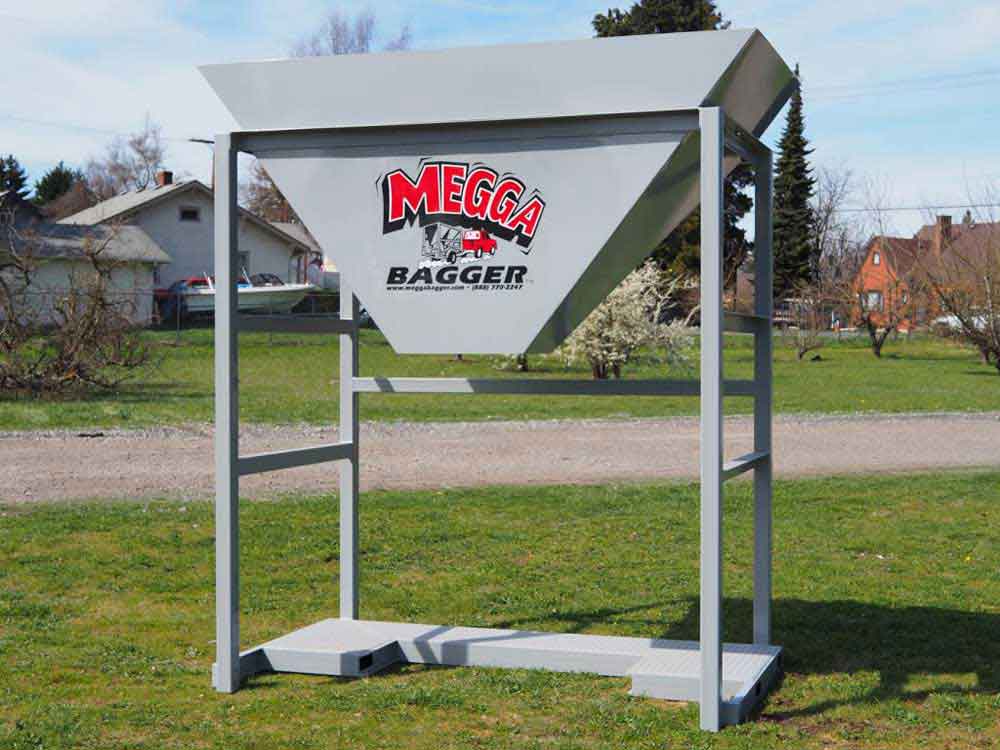
When floodwaters rise fast, a strong line of defense makes all the difference. Sandbags remain one of the most reliable ways to redirect water, protect property, and buy precious time during emergencies. But to be effective, you need to move fast, and that’s where the right equipment comes in.
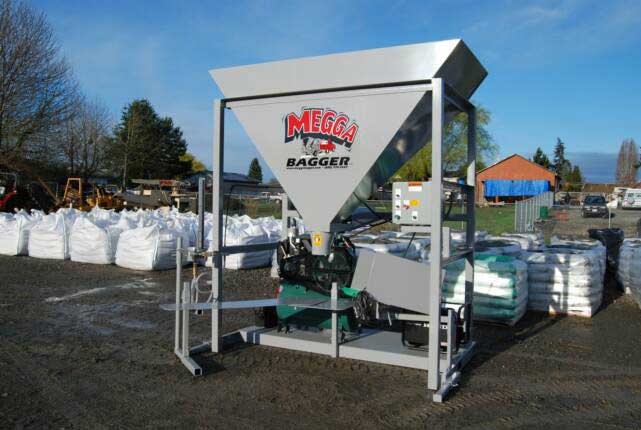
The sandbag filler systems used today are built to handle intense conditions. Our bulk bag filler is a rugged, powder-coated steel machine known for its accuracy and durability. Designed to operate for over 24 hours straight, it delivers consistent performance whether you’re bagging in scorching heat or near floodwater. It’s built tough, easy to operate, and works reliably even under the worst conditions.
For larger-scale emergencies, The Bag Lady’s Megga Bagger is an essential upgrade. This high-output, automated sandbagging machine fills bags with sand, gravel, or similar materials with speed and uniformity. Emergency response teams, city crews, and property managers count on it when time is short and weather conditions are rough. It reduces manual labor, speeds up deployment, and helps you stay prepared before storms turn into disasters.
Choosing the Right Provider for the Job
Flooding is seasonal, but preparedness doesn’t have to be. With The Bag Lady, you’re equipped and ready every spring and beyond. Our systems, support, and tools give you peace of mind in the face of rising water.
Start planning now! Contact us today for sandbag supplies, Megga Bagger demos, or help building a custom flood response plan. Let’s make this flooding season your most prepared yet.
